
Introduction
Something is happening in Panama — quietly, steadily, and on a scale few other countries have matched in recent years. Across financial circles in Miami, tech communities in Lisbon, and investor networks in London and Bogotá, a common question keeps surfacing: What is it about Panama?
The answer is not a single thing. It is an unusual convergence of geography, economics, legal framework, lifestyle, and timing — a combination that makes Panama genuinely compelling for people who have the freedom to choose where they live and work. International entrepreneurs are establishing their companies here. Retirees from North America and Europe are discovering a lifestyle that costs a fraction of what they were paying at home without sacrificing quality. Young families are relocating for the stability, the infrastructure, and the schooling. And investors are positioning capital in a market that remains one of the most active and open in Latin America.
This is not a tourism pitch. It is an honest look at why Panama has become a serious consideration for a generation of internationally mobile individuals — and what makes this particular country different from every other “relocation destination” you may have read about.
Why Panama Has Become a Global Relocation Destination
Panama occupies one of the most strategically significant positions in the world. At the narrowest point of a continent, it serves as the physical bridge between the Atlantic and the Pacific, and as the commercial corridor between North and South America. The Panama Canal — one of the great engineering achievements in modern history — is not just a symbol. It is the engine behind a disproportionate share of global maritime trade, generating economic activity that has insulated Panama from many of the shocks that have rattled its neighbors.
The results are visible. Panama’s GDP growth has consistently outperformed the Latin American average over the past two decades. Its banking sector is regulated, deep, and internationally integrated — home to dozens of multinational and private banks that allow residents and businesses to operate in multiple currencies from a single hub. Panama’s official currency is the U.S. dollar, which eliminates the currency volatility that makes financial planning so difficult in other parts of the region.
For investors and entrepreneurs, this combination is exceptional. You can invoice in USD, hold accounts in USD, repatriate capital in USD, and invest in USD — without currency conversion risk and without relying on a fragile central bank. Businesses that operate internationally find Panama’s structure naturally aligned with how global commerce works.
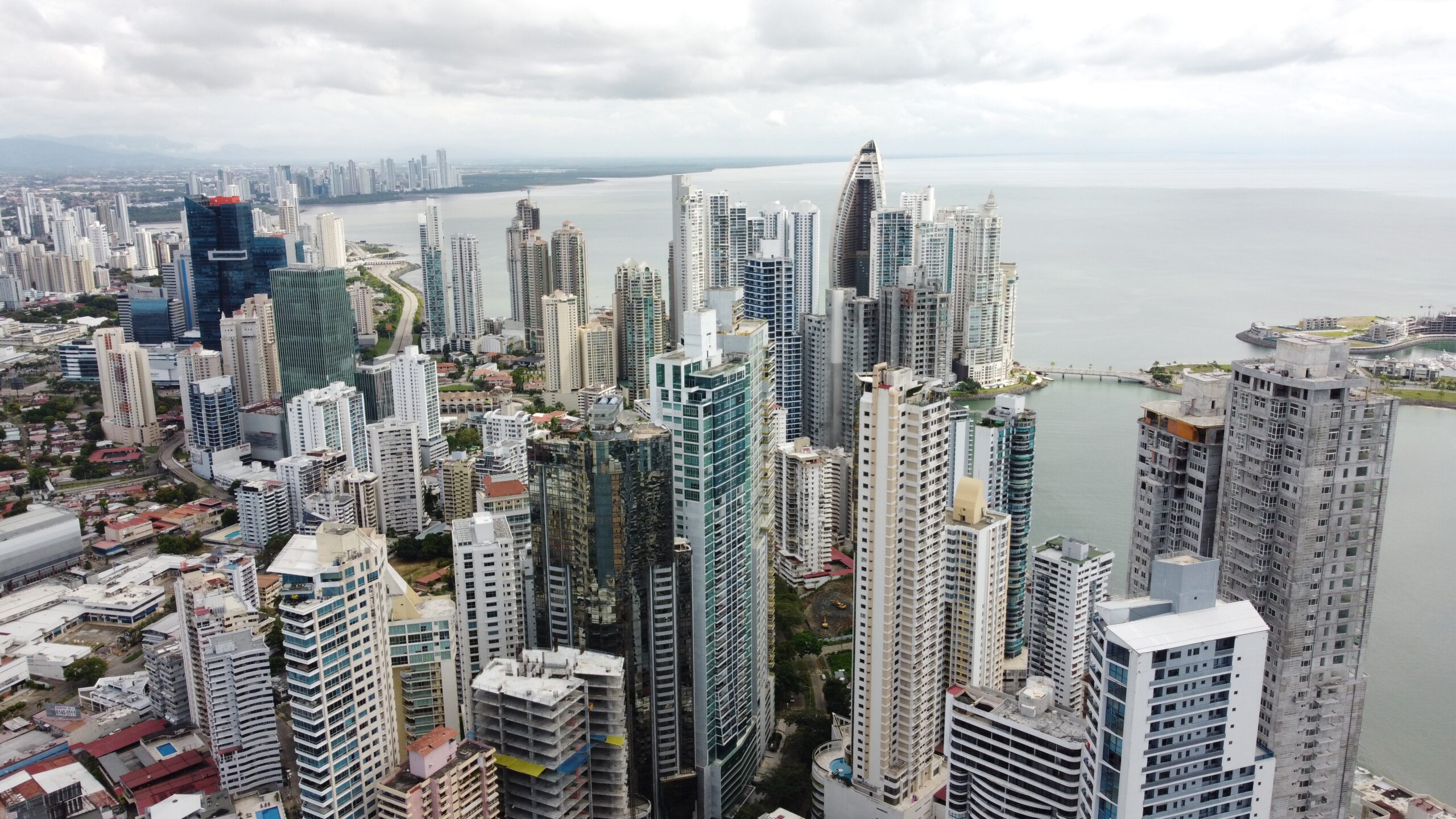
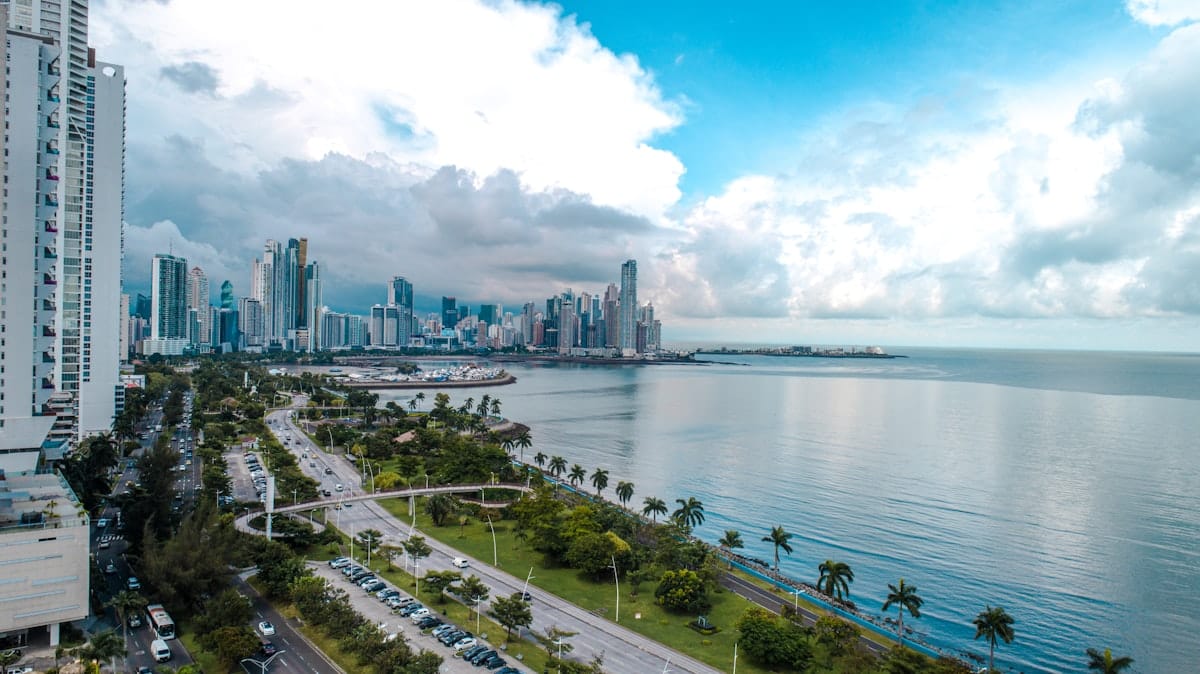
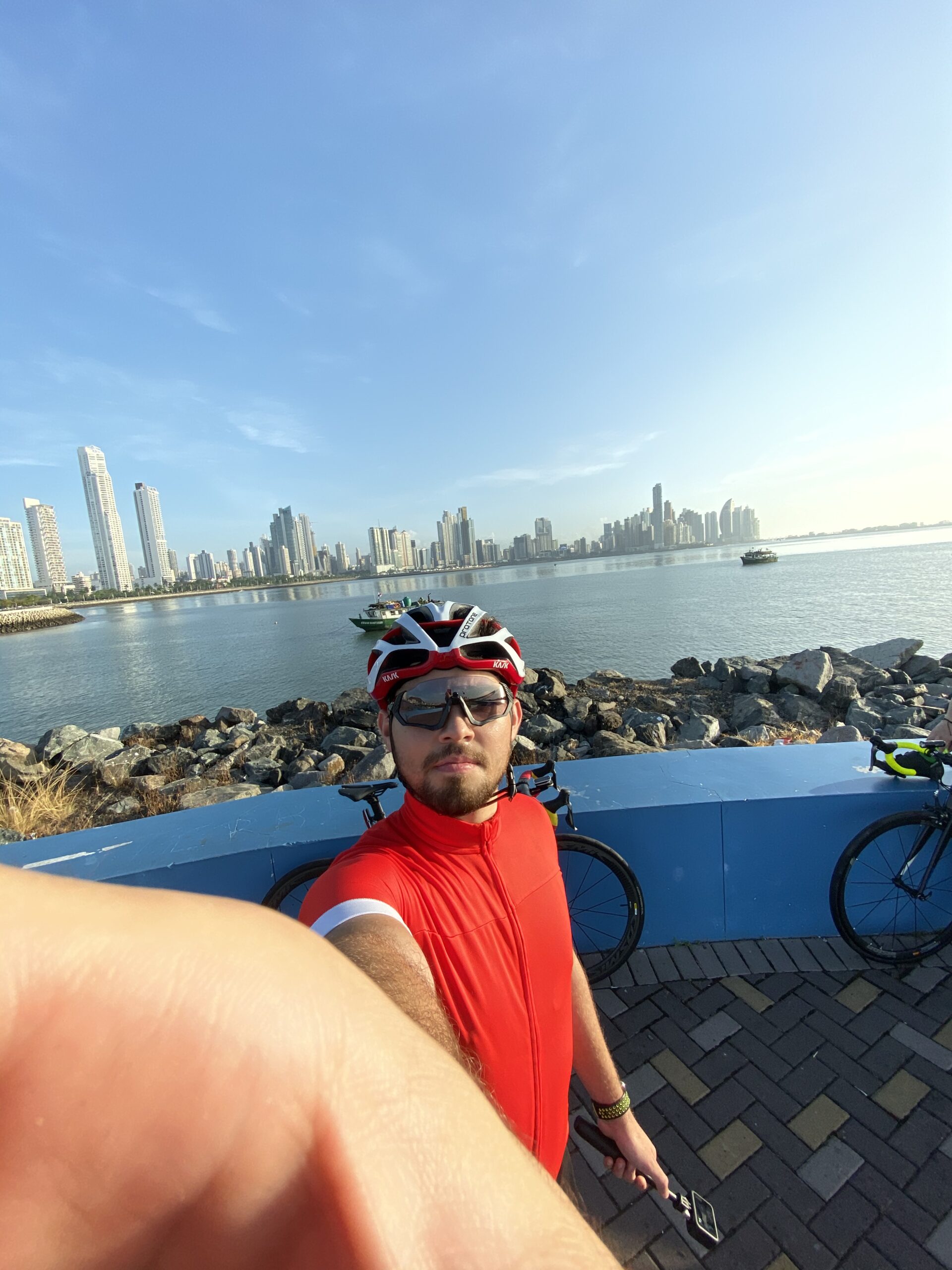
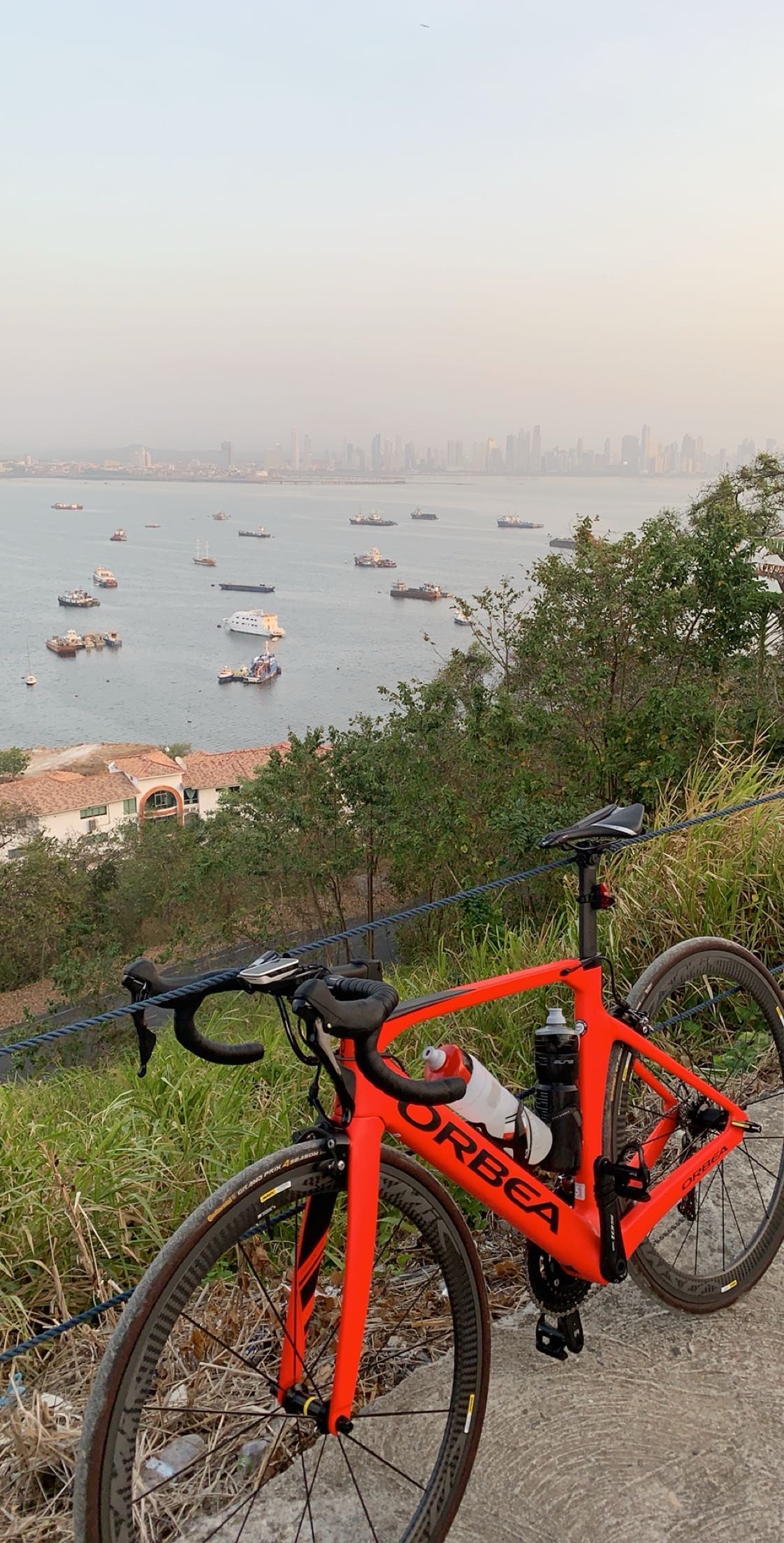
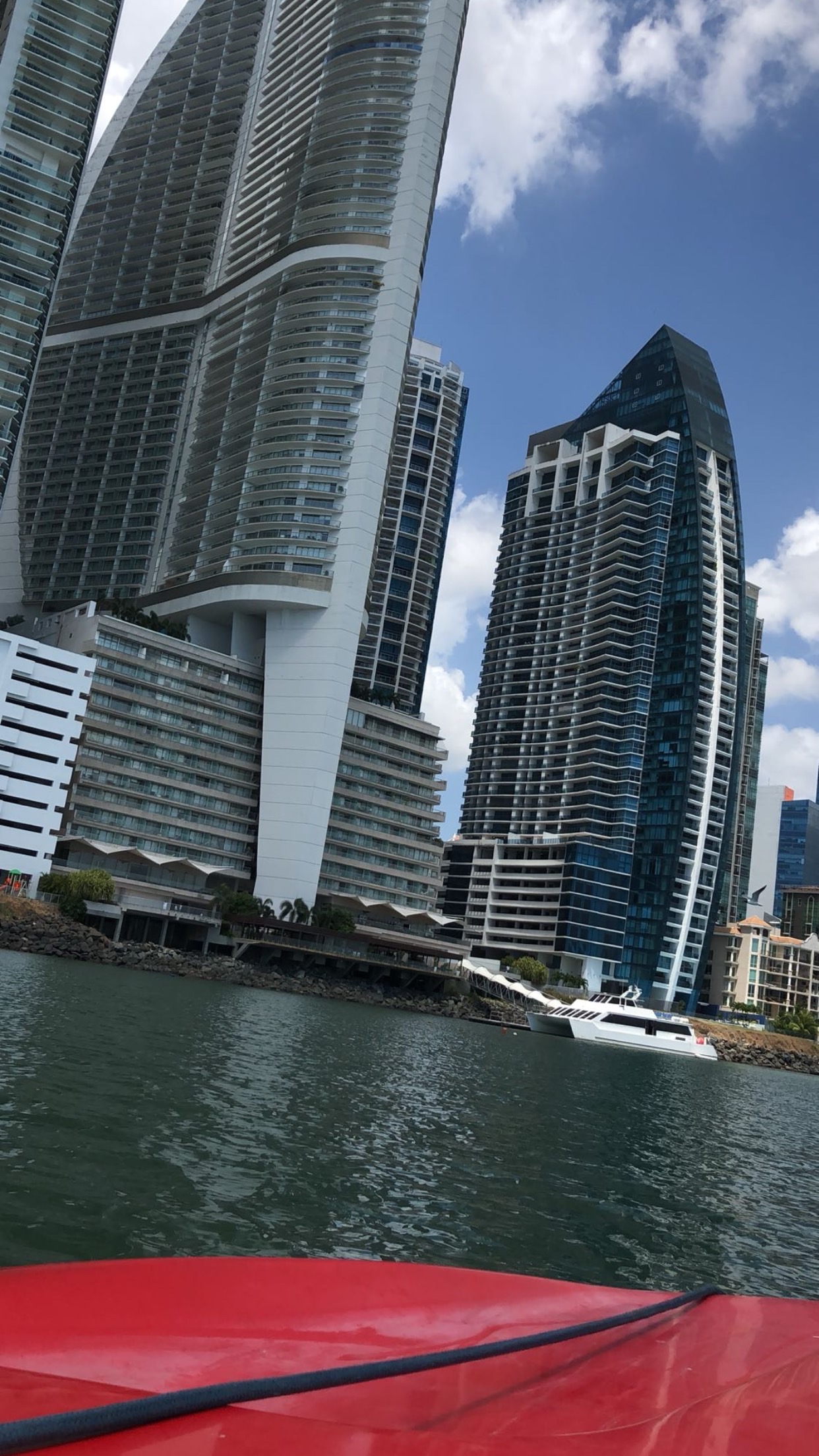
Panama City itself is often described by newcomers as a city that surprised them. The skyline along the Bay of Panama — modern glass towers rising along a waterfront drive — is unlike anything else in Central America. The city is home to one of the most complete international private school systems in the region, a well-developed hospital infrastructure, and a restaurant and cultural scene that reflects its cosmopolitan population.
Lifestyle and the Freedom It Creates
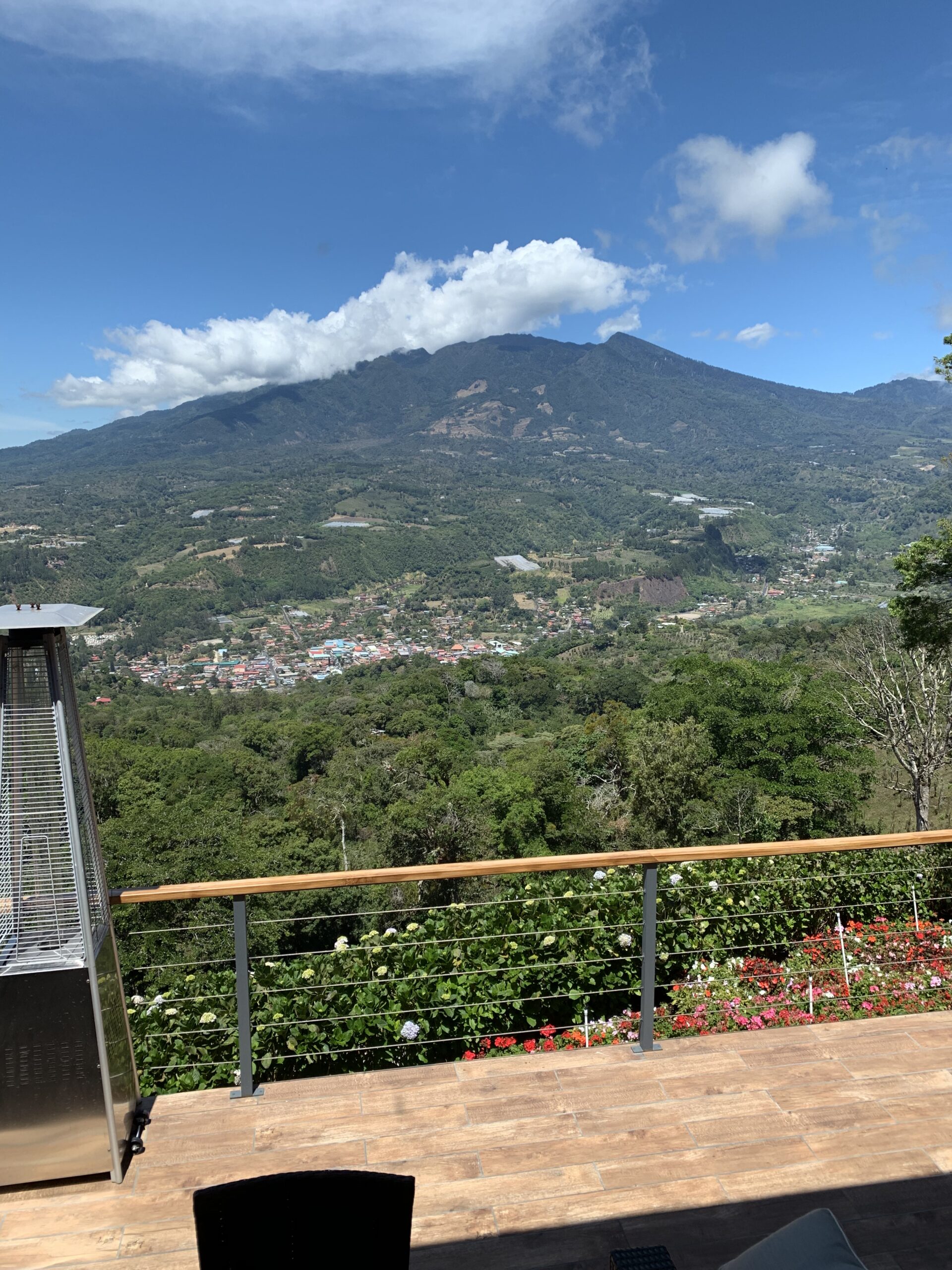
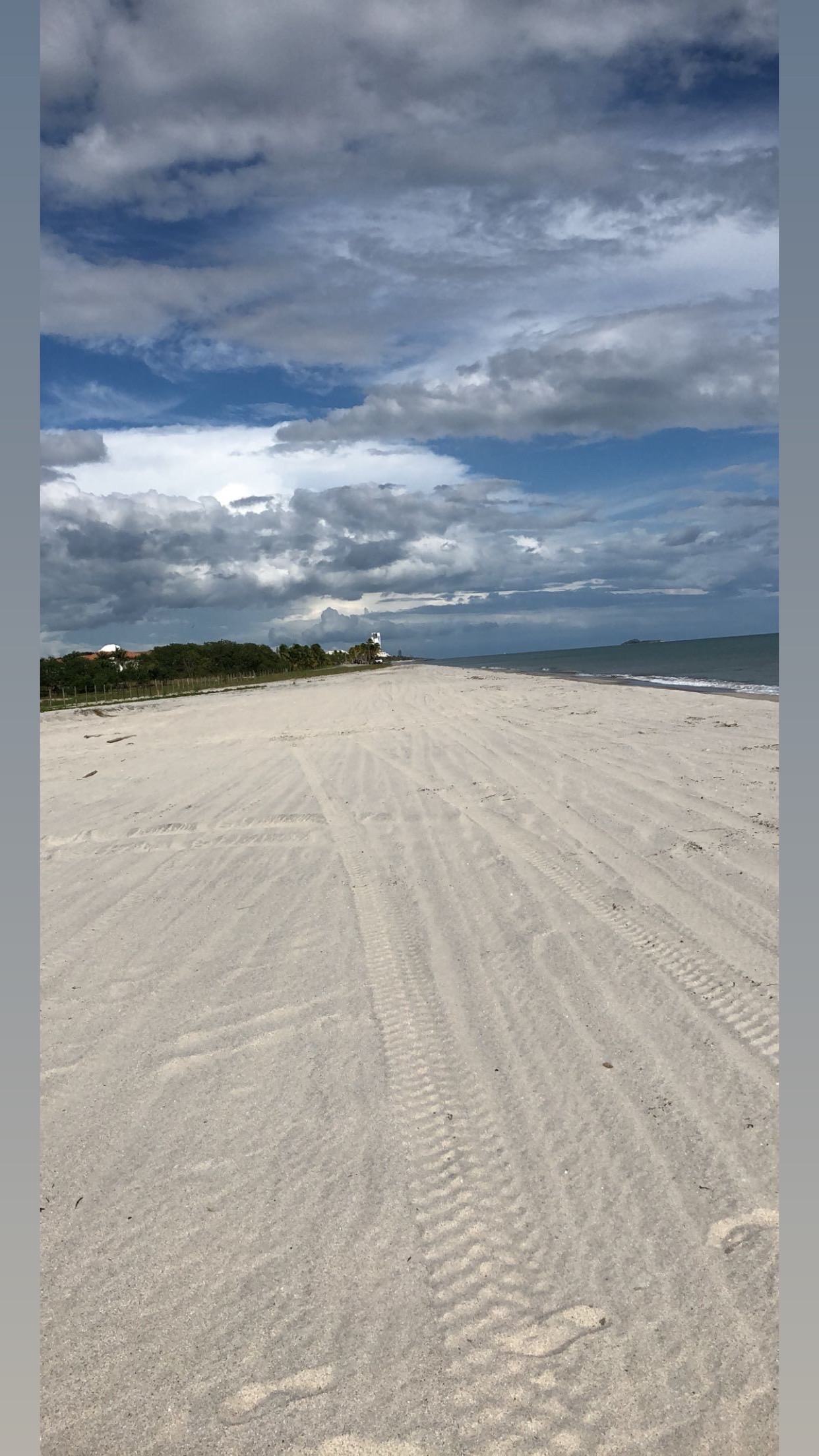
What draws people to Panama is not only the economics. There is a quality of life here that is difficult to quantify but immediately felt. The climate is warm year-round. The pace is neither rushed nor stagnant. The city is functional and connected, but the coast is never more than an hour away. The mountains of Boquete — cooler, green, and spectacular — are a few hours by road.
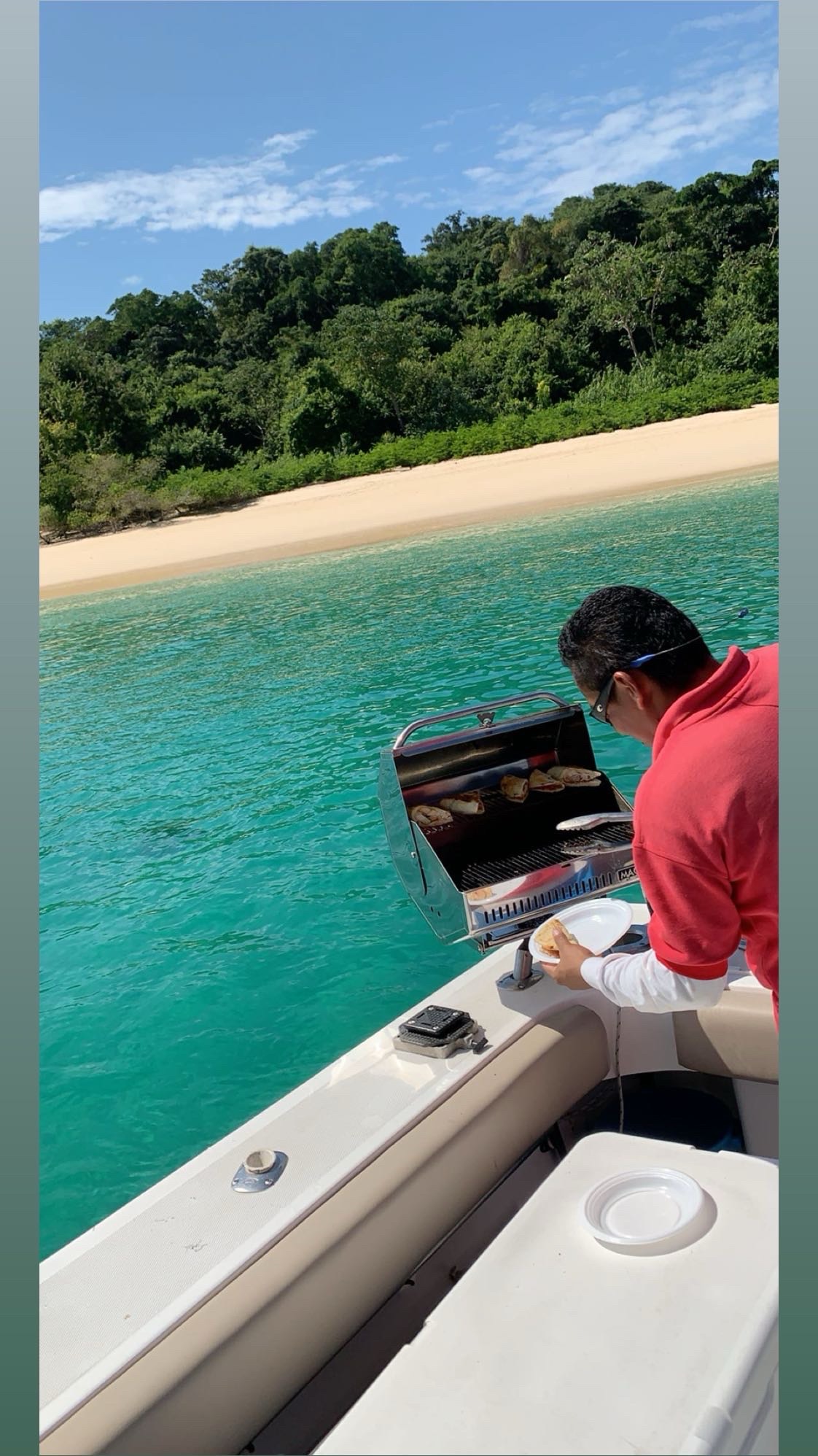
Panama is one of the rare places in the world where a person can live in a modern high-rise apartment with a full city infrastructure, and within ninety minutes be on a boat, on a beach, or on a hiking trail. This compression of options — urban and natural, sophisticated and raw — is what many long-term residents cite as the reason they chose to stay.
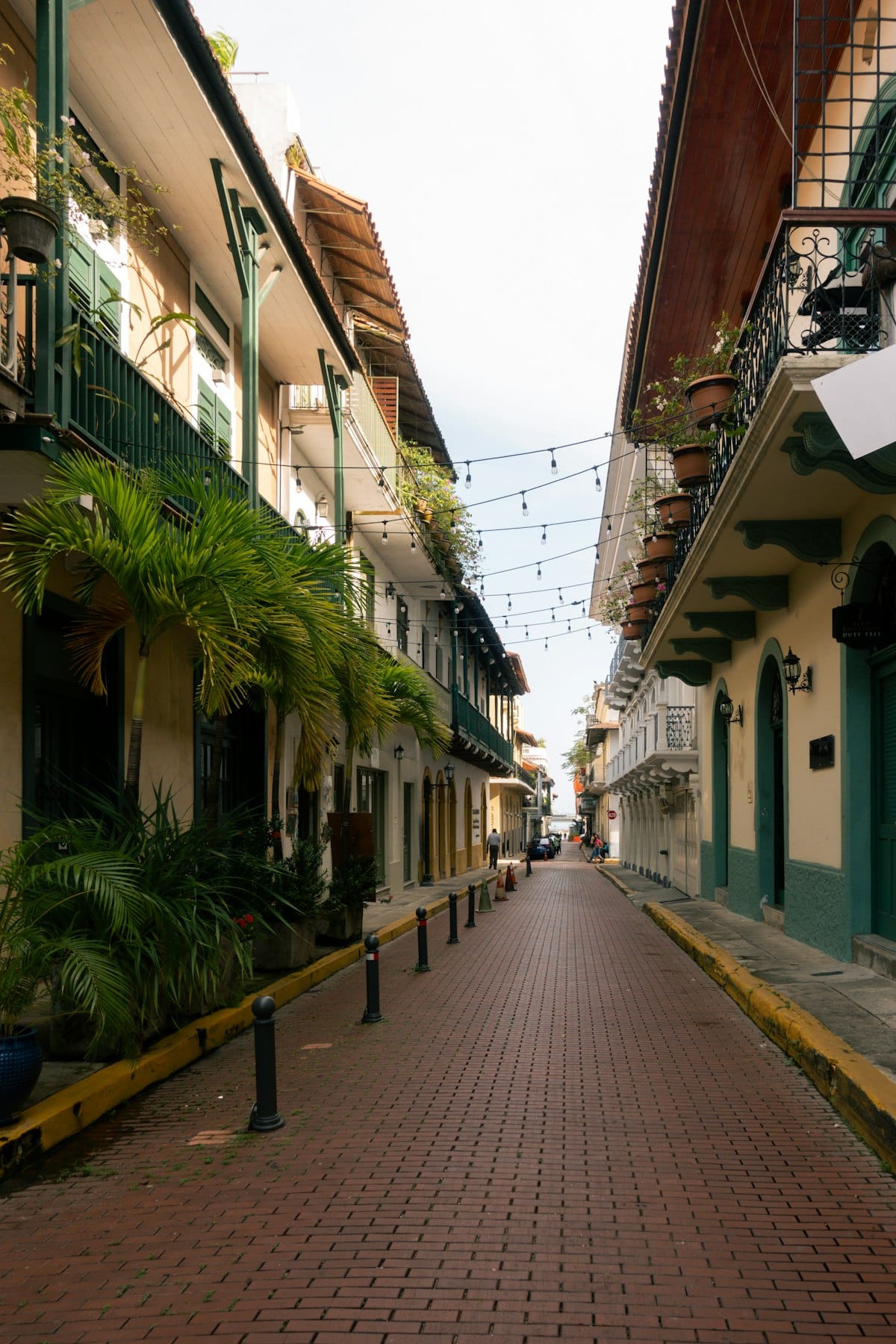
Panama’s international community is well-established. Expat residents from dozens of countries live alongside Panamanians in neighborhoods like Punta Pacífica, San Francisco, Clayton, and El Cangrejo in Panama City; in the mountain communities of Boquete and El Valle de Antón; and in the coastal towns of Pedasí and Santa Catalina on the Azuero Peninsula. This diversity is not a newcomer phenomenon — Panama has been a hub of international migration since the Canal construction era, and it has developed a cultural comfort with outsiders that makes integration relatively straightforward.
Business and Investment Advantages
Panama operates one of the most business-friendly legal frameworks in the Western Hemisphere. The country maintains a territorial tax system, meaning that income earned outside of Panama is not subject to Panamanian income tax — an exceptional advantage for entrepreneurs, consultants, and remote professionals who generate revenue internationally. Combined with the USD economy and a stable banking environment, this makes Panama one of the most favorable tax jurisdictions in the region for internationally-focused businesses.
Panama City is home to dozens of multinational corporations, regional headquarters, and financial institutions that have chosen it as their Latin American hub. The Colon Free Trade Zone — the second-largest free trade zone in the world — facilitates massive import and export activity. Panama’s legal system allows for rapid company formation, flexible corporate structures, and robust asset protection mechanisms through instruments like the Sociedad Anónima and the Private Interest Foundation.
For investors, Panama offers real estate opportunities across a spectrum — from premium urban condominiums and beachfront properties to agricultural land and commercial developments. Foreign investors receive the same property rights as Panamanian nationals in most cases, and the country’s legal system provides clear title protections.
Panama’s position as the headquarters of Copa Airlines and Tocumen International Airport — the most connected airport in Latin America — means that international travel is genuinely convenient. Tocumen operates direct flights to more than 90 destinations across North America, South America, Europe, and the Caribbean. Whether your business requires you in New York one week and London the next, Panama’s connectivity supports that lifestyle in a way that few other locations in the region can match.
Residency Programs in Panama
Panama offers some of the most accessible and well-structured residency pathways available anywhere in the world. The three programs that attract the largest number of international clients are the Friendly Nations Visa, the Pensionado (Retiree) Visa, and the Qualified Investor Visa.
The Friendly Nations Visa
Panama’s Friendly Nations Visa is designed for nationals of a defined list of countries with strong economic and diplomatic ties to Panama. It allows qualified applicants to obtain permanent residency relatively quickly, making it one of the most efficient pathways available. Eligibility typically requires demonstrating economic ties to Panama — through property ownership, employment, or business activity. It is a particularly popular option for entrepreneurs and professionals who want to establish themselves formally in Panama.
The Pensionado Visa
The Pensionado Visa is Panama’s residency program for retirees, and it is widely recognized as one of the most generous retiree programs in the world. Applicants who receive a lifetime pension or retirement income above a defined monthly threshold are eligible. Beyond the residency itself, the Pensionado program provides substantial discounts on healthcare, hotels, restaurants, and utilities — a benefit that substantially reduces the cost of living for those who qualify. Many retirees from North America and Europe cite this program as the reason they chose Panama over other destinations.
The Qualified Investor Visa
The Qualified Investor Visa is directed at individuals willing to make a significant investment in Panama — through qualifying real estate, the Panama securities market (including Panamanian government bonds) or a fixed-term bank deposit, under the investment rules updated in September 2026. It provides one of the faster paths to permanent residency for high-net-worth individuals who want to establish strong legal ties to the country. This program is often the preferred route for investors who are structuring a broader Panama-based financial strategy.
Each of these programs has specific eligibility requirements, documentation processes, and timelines. Learn more about the Friendly Nations Visa, the Pensionado Visa, or the Qualified Investor Visa on our dedicated pages.

Connectivity and International Access
There is a practical question that every internationally mobile person has to answer before committing to a new home: Can I get where I need to go? In Panama, the answer is an emphatic yes.
Tocumen International Airport — just east of Panama City — is the regional hub of Copa Airlines, consistently ranked among the best airlines in Latin America. From Tocumen, you can reach Miami in 2.5 hours, New York in 5 hours, London in 10 hours, and virtually any major city in South or Central America within 4 hours. The airport has undergone significant expansion and handles international connections with a level of efficiency and reliability that stands apart from other regional airports.
For those with maritime interests, Panama City is also home to the cruise terminal at the Amador Causeway — a striking waterfront facility that serves as departure point for Pacific cruises and connects to the Flamenco Island marina. The Causeway itself has become one of Panama City’s most scenic social destinations, with restaurants, bike paths, and views of both the city skyline and the Pacific entrance to the Canal.
Panama’s infrastructure extends to high-speed internet availability across Panama City and major towns, a growing network of highways connecting the capital to both coasts, and a public metro system that has modernized urban commuting within the city. For those who live and work internationally, the physical and digital infrastructure makes Panama a genuinely functional base.
Adventure, Sport, and the Outdoor Lifestyle
This is where Panama’s geography becomes something more than a footnote. The country is small — roughly the size of South Carolina — but it contains Pacific and Caribbean coastlines, a mountain interior, tropical rainforest, river systems, and over 1,500 islands. The variety of outdoor activities available within a few hours of Panama City is genuinely extraordinary.
On the water: Panama offers some of the best fishing in the world, both ocean and lake. Gatún Lake, formed by the Canal dam, is one of the finest freshwater bass fishing destinations on the continent. The Pacific coast produces marlin, sailfish, and roosterfish that draw serious anglers internationally. Beyond fishing, you will find excellent conditions for surfing along the Pacific — with world-class breaks at Santa Catalina and Playa Venao — and for kitesurfing, kayaking, paddle boarding, snorkeling, and scuba diving across both coasts and the archipelagos.
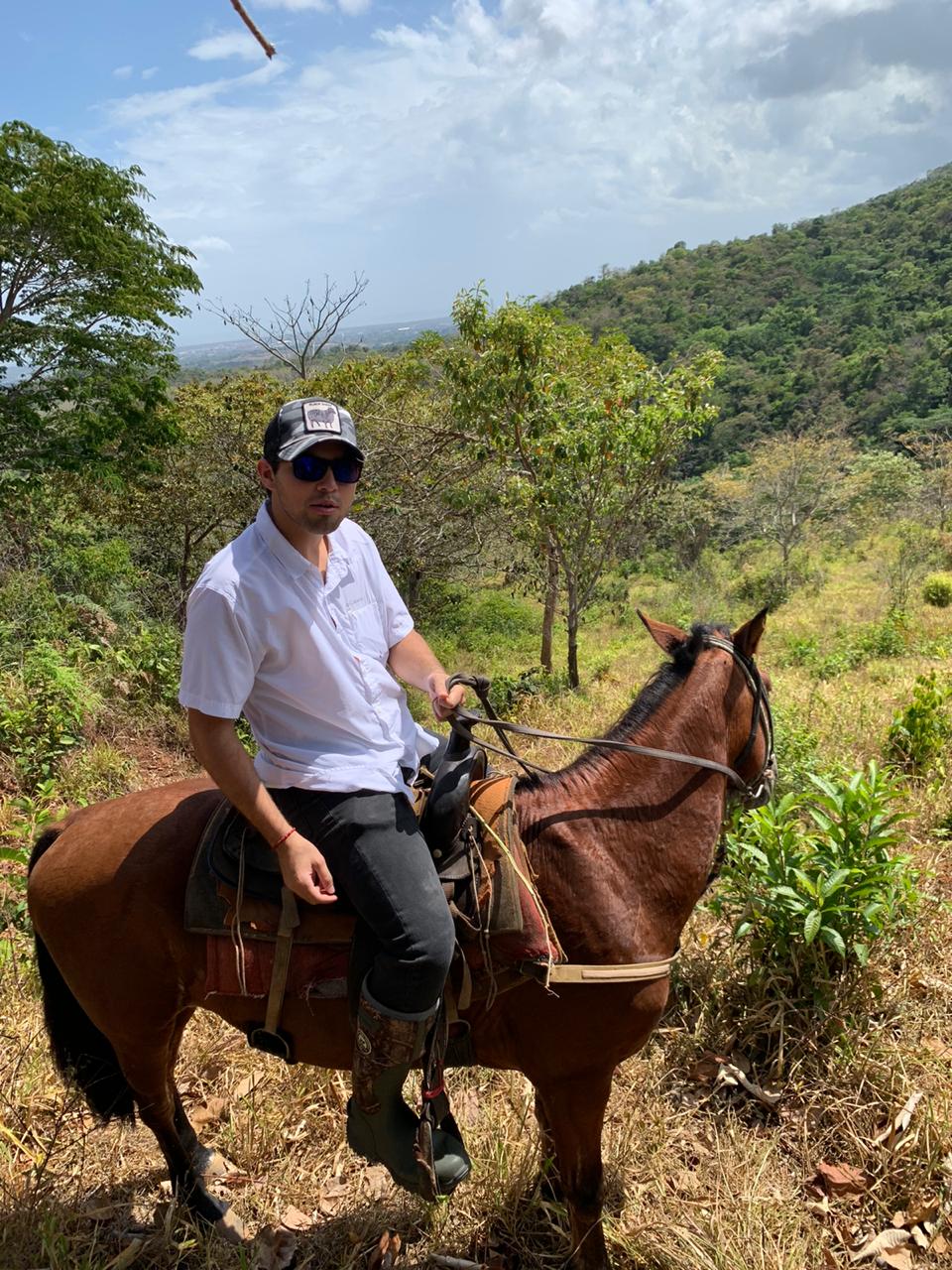
In the interior: Boquete, in the highlands of Chiriquí province, offers hiking through cloud forests, mountain biking on trails that wind through coffee plantations, and river adventures including white-water rafting. El Valle de Antón sits in the crater of an extinct volcano and is one of the most extraordinary natural environments in the country — horses, trails, hot springs, and a pace of life that is thoroughly removed from the city.
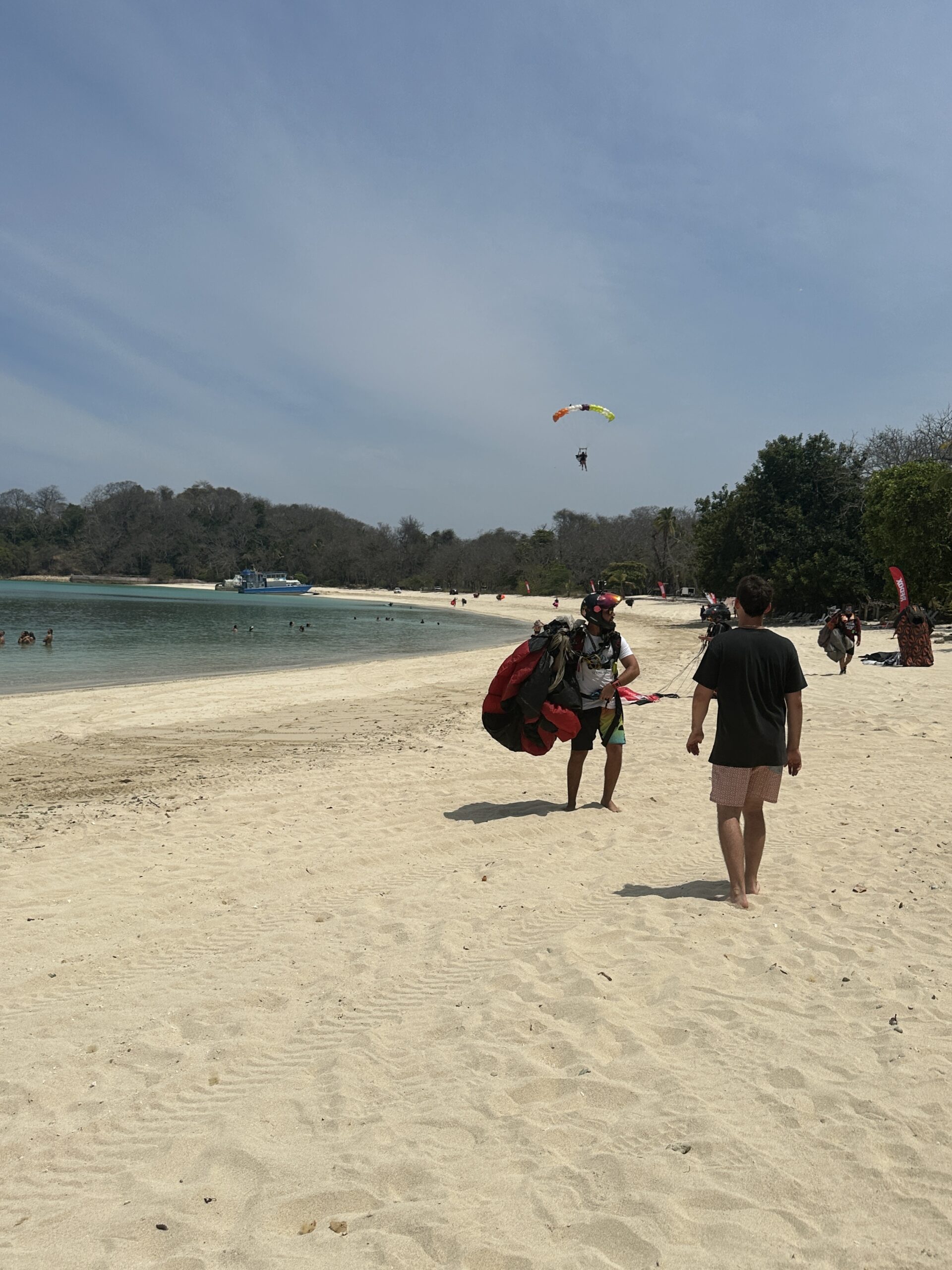
For the truly adventurous: Panama has a growing skydiving community, motorcycle touring routes across the Azuero Peninsula, and island-hopping access to the San Blas Archipelago — the 365-island territory of the Guna Yala indigenous people, recognized as one of the most pristine and unspoiled island destinations in the Caribbean world.
Many residents describe their lives in Panama as having a dual character: the sophisticated, internationally-connected urban life of Panama City from Monday to Friday, and something entirely different the moment they leave the city for the weekend.
The Places Worth Knowing
Panama’s geography concentrates an unusual number of distinct and compelling destinations within a relatively compact territory. Understanding them helps paint the full picture of what living — or spending extended time — in Panama actually looks like.
Bocas del Toro is the Caribbean archipelago in Panama’s northwest — a cluster of islands known for their turquoise water, laid-back atmosphere, excellent diving and surfing, and a community that has attracted artists, digital nomads, and nature enthusiasts from around the world. Accessible by small aircraft from Panama City, it feels like a different world entirely.
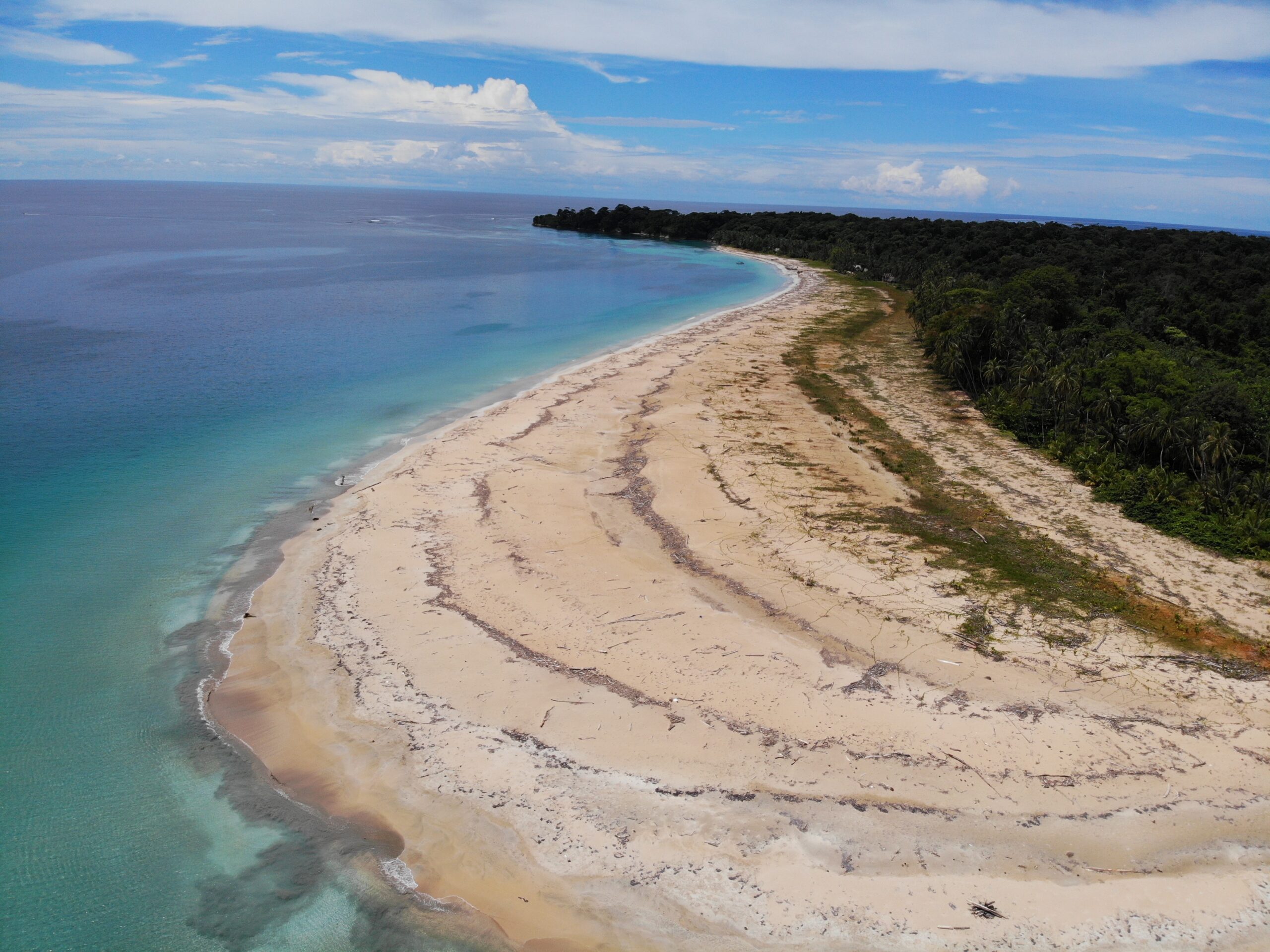
San Blas (Guna Yala) is in a category of its own — 365 islands controlled by the Guna indigenous people, where development is intentionally limited and the environment is correspondingly pristine. Sailing charters, overnight stays in indigenous-owned accommodations, and snorkeling over untouched reef are the defining experiences here.
Contadora and Taboga are Pacific islands accessible from Panama City within an hour, offering a quick coastal retreat without the need to travel far. Contadora has a long-standing reputation as a destination for Panama City’s well-established community. Taboga is quieter, more village-like, and famously known for its flowers.
El Valle de Antón sits in the crater of an ancient volcano in the Central Cordillera — cool, green, and dramatically different from the coastal heat. The valley has a thriving community of Panamanian families and international residents who find it an ideal weekend destination or even a permanent alternative to city life.
Pedasí and Playa Venao are in the Azuero Peninsula — Panama’s cultural heartland and increasingly a destination for surfers, boutique hotel developers, and retirees who prefer a quieter coastal setting. Playa Venao has consistent surf and a small but growing international community. Pedasí is a charming colonial town that has attracted significant foreign real estate investment in recent years.
Santa Catalina is Panama’s most recognized surf destination on the Pacific — remote, raw, and genuinely world-class in quality. It draws a global surf community and has a character that rewards visitors willing to make the journey to reach it.
Boquete, in the highlands of Chiriquí, is arguably the country’s most internationally recognized destination outside of Panama City. The climate is spring-like, the coffee is exceptional, and the community of North American and European retirees and entrepreneurs is well-established. It has become a reference point for quality of life in Panama, and its real estate market reflects years of steady international interest.
What Makes Panama Different
There are many countries that position themselves as relocation-friendly. Panama’s differentiation is structural, not just marketing.
First, the dollar economy. This is not a minor detail. For anyone who has lived through currency devaluations in Latin America, the psychological and practical security of operating entirely in USD — banking, investing, renting, paying school fees — is substantial. You don’t need a currency hedging strategy. You don’t watch exchange rates. You plan in the same currency you think in.
Second, political stability. Panama has maintained a functioning democracy and constitutional order consistently, even as neighbors have experienced significant political turbulence. The institutions are imperfect, as they are everywhere, but they are stable. Property rights are respected. Contracts are enforced. The judiciary functions.
Third, the geographic compression. Panama is a small country with an extraordinary range of environments. The fact that you can have Sunday breakfast in Panama City, be on a sailboat in the San Blas by noon, and return to your apartment in time for a Monday morning video call — that kind of range, that density of experience within a manageable geography — is genuinely unusual.
Fourth, the openness to foreigners. Panama’s entire modern history has involved foreign presence — the Canal construction, the Canal Zone, the free trade zone, the multinational corporate presence. The country is accustomed to international residents in a way that makes integration less fraught than it might be in more homogeneous societies. This openness is reflected in the residency programs, in the business laws, and in the practical experience of daily life.
Final Thoughts
Panama is not a perfect country. No place is. Infrastructure outside Panama City can be uneven. Bureaucratic processes can be slow. The healthcare system, while strong in private facilities, requires navigation. Summers in the city can be intensely humid. Some of the adventure destinations are genuinely remote, which is part of their appeal but also a practical consideration.
But for the right person — someone who wants a stable, dollar-based economy, genuine connectivity to the rest of the world, access to a remarkable natural environment, a legal system that respects foreign investment, and a quality of life that costs a fraction of what it would in Western Europe or North America — Panama is difficult to argue with.
The movement of international families, entrepreneurs, retirees, and investors toward Panama is not a trend. It is a considered response to a genuine set of structural advantages that have been in place for decades and are not going away. If you have been watching from the outside, wondering whether there is substance behind the conversations, the answer is yes.
Frequently Asked Questions
Is Panama a good place to live for foreigners?
Panama is widely considered one of the top destinations in the world for international relocation, offering a USD economy, stable political environment, comprehensive residency programs, and exceptional geographic diversity. A well-established expat community across Panama City, Boquete, and the coastal areas makes the transition considerably more manageable than in many other countries.
What are the main residency options in Panama?
The three most commonly used residency programs are the Friendly Nations Visa (for nationals of approved countries with demonstrated economic ties), the Pensionado Visa (for retirees with a qualifying lifetime pension income), and the Qualified Investor Visa (for investors making a significant financial commitment in Panama). Each program has distinct requirements and timelines.
Does Panama use the US dollar?
Yes. The U.S. dollar has been Panama’s official currency for over a century, alongside the Balboa (which exists in coin form only and is pegged 1:1 to the dollar). This eliminates currency risk and makes financial planning straightforward for anyone earning, investing, or banking in USD.
How easy is it to travel internationally from Panama?
Tocumen International Airport — the hub of Copa Airlines — offers direct flights to over 90 international destinations across North America, South America, Europe, and the Caribbean. Panama City is approximately 2.5 hours from Miami, 5 hours from New York, and accessible from most major global hubs within a single connection.
What outdoor activities are available in Panama?
Panama offers a remarkable range of outdoor and adventure activities, including fishing, lake fishing, boating, surfing, kitesurfing, snorkeling, scuba diving, paddle boarding, kayaking, hiking, mountain biking, motorcycle touring, waterskiing, skydiving, and island hopping. The diversity of environments — Pacific coast, Caribbean coast, highland forests, river systems, and island archipelagos — means there is rarely a shortage of things to do for those with an active lifestyle.
Is Panama safe?
Panama is one of the safer countries in Central America for foreign residents. Panama City’s established residential areas and the destinations popular with international residents are generally secure environments. As with any country, situational awareness and reasonable precautions are advisable — but safety concerns have not been a significant barrier for the international community that has chosen to live here.
Can I work remotely from Panama?
Absolutely. Panama’s digital infrastructure in Panama City and major towns supports remote work effectively. High-speed internet is widely available in residential and commercial areas. Many international entrepreneurs and professionals choose Panama as their base specifically because it allows them to serve a global client base while benefiting from the country’s territorial tax system and quality of life.
Díaz, Shacalo & Asociados · Panama
Ready to Explore Your Options in Panama?
Our team works exclusively with international clients navigating Panama’s immigration, corporate, and investment landscape. We provide clear, honest guidance — no pressure, no generic advice.
Request a ConsultationLife in Panama

EXPLORE FURTHER
Related Services & Guides
Residency
Friendly Nations Visa
Retirement
Pensionado Visa
Investment
Qualified Investor Visa
Business
Panama Corporation
Transparency
Legal Fees & Pricing
Residency
Panama-Italy Residency
I invested in Panama a few years ago thanks to my good friend Julio, who guided me through the whole process, and honestly it’s been one of the best decisions I’ve made. Everything was smooth, transparent, and way easier than I expected.
Now I visit Panama at least once a year, and one of my favorite places is Contadora Island. Absolutely beautiful beaches, great food, amazing vibe, and the perfect escape from busy city life.
What started as an investment turned into a place I genuinely enjoy coming back to every year. Panama has been incredible for both business and lifestyle.